
When a Home Looks Right but Feels Wrong
There’s a common issue in modern homes: everything looks clean, minimal, and well-decorated, yet the space still feels cold or slightly uncomfortable to spend time in. This happens because visual design alone doesn’t create comfort. A home can be perfectly styled and still lack warmth if it doesn’t engage the senses beyond sight.
That’s where Cozy textiles become essential.
They are often the missing layer between a “nice-looking room” and a genuinely relaxing living space. Soft fabrics, layered textures, and comfort-focused materials directly affect how your body and mind respond to your environment. Without them, even expensive interiors can feel distant and uninviting.
Understanding how to use Cozy textiles properly is one of the simplest ways to transform your home into a space that actually supports rest, relaxation, and emotional ease.
The Real Reason Homes Feel “Cold” Even When They Are Well-Designed
Most interior design focuses heavily on structure: furniture placement, color palettes, lighting, and layout. While these elements are important, they don’t fully address how a space feels physically.
Cold-feeling homes usually share three issues:
- Too many hard surfaces (wood, tile, metal, glass)
- Lack of layered fabrics or soft materials
- Minimal tactile interaction points in daily-use areas
The result is a space that looks organized but doesn’t invite relaxation.
Cozy textiles solve this gap by introducing softness that the body can actually feel. Unlike visual décor, textiles are interactive—you touch them, lean on them, and wrap yourself in them. That physical interaction is what creates comfort.
How Cozy Textiles Influence Comfort on a Sensory Level
Comfort at home is largely sensory, not just visual. Cozy textiles work because they engage multiple senses at once:
- Touch: Soft textures reduce physical tension and encourage relaxation
- Temperature: Layered fabrics help regulate warmth naturally
- Sound: Textiles absorb echo and reduce sharp acoustics in a room
- Emotion: Soft environments signal safety and calm to the brain
This is why people naturally gravitate toward blankets, pillows, and plush surfaces when they want to relax. These materials create a physical and psychological shift that hard materials simply cannot replicate.
In short, Cozy textiles don’t just decorate a home—they actively change how it feels to exist in it.
Step 1: Start With the Most Used Comfort Space in Your Home
If you want immediate improvement in how your home feels, start where you spend the most downtime: your sofa or bed.
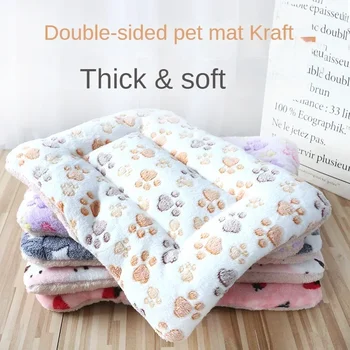
A simple throw blanket is one of the most effective upgrades you can make because it introduces instant softness and warmth without changing your furniture.
A good example is this soft, warm, and fluffy striped throw blanket designed for everyday relaxation:
https://ambientcorner.com/product/1pc-throw-blanket-for-bed-250gsm-soft-warm-fluffy-blanket-decorative-striped-blankets-for-winter-nap-sleep/
At 250gsm, it offers a balanced weight that works well for year-round use. It’s light enough for comfort layering but still provides enough warmth to encourage relaxation.
What makes this type of Cozy textile powerful is its behavioral effect: once it becomes part of your environment, your body starts associating it with rest. Over time, simply seeing or touching it can help signal “switch-off mode” after a long day.
Step 2: Add Texture to Break Up Flat, Uncomfortable Spaces
Even when a home feels warm enough, it can still feel visually flat. This is usually because there isn’t enough texture variation.
Flat surfaces create a sense of sterility. Layered textures create depth, warmth, and visual interest.
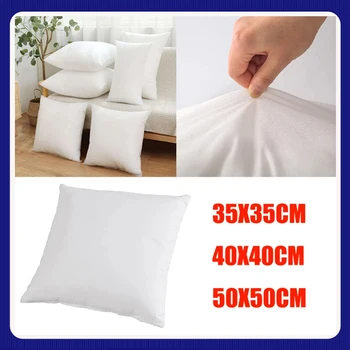
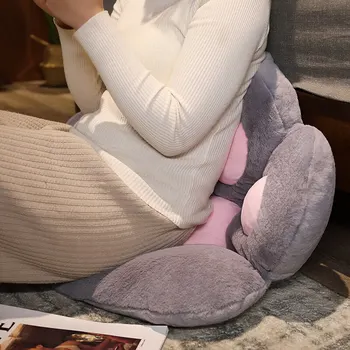
This is where decorative soft pillows become essential—not just as accessories, but as functional comfort tools.
A strong example is this 3D plush throw pillowcase with a subtle patterned design:
https://ambientcorner.com/product/1pcs-pineapple-grid-turtle-pattern-3d-soft-plush-throw-pillowcasecream-white-for-living-room-sofa-bedroom/
This type of Cozy textile improves a space in three ways:
- Adds softness to structured furniture
- Enhances comfort during sitting or lounging
- Introduces texture without overwhelming the design
The key is balance. A room doesn’t need many pillows—it needs the right ones placed intentionally where comfort is actually used.
Step 3: Extend Comfort Beyond Human Spaces
A truly relaxing home considers all living occupants, including pets. Pet comfort is often overlooked, but it has a direct impact on how calm a home feels overall.
An uncomfortable or restless pet can disrupt sleep, increase noise, and affect the general atmosphere of a space. That’s why integrating Cozy textiles into pet areas is just as important as human furniture.
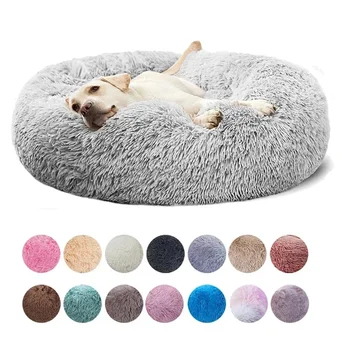
A soft donut-style pet bed is designed specifically to create a sense of security and relaxation:
https://ambientcorner.com/product/super-soft-pet-bed-plush-full-size-washable-calm-bed-donut-bed-comfortable-sleeping/
Its raised edges support nesting behavior, which helps pets feel safe and supported. The plush material adds warmth and softness, encouraging deeper and more consistent rest.
When pets are calm, the entire home benefits:
- Reduced movement and noise
- More stable household energy
- A more peaceful shared environment
Comfort becomes a shared experience rather than an individual one.
Common Mistakes People Make With Cozy Textiles
Mistake 1: Treating textiles as decoration only
Cozy textiles are functional first. If they don’t improve comfort, they are not doing their job.
Mistake 2: Over-layering without intention
Adding too many textures without purpose can make a space feel cluttered instead of cozy.
Mistake 3: Ignoring daily-use areas
Comfort should focus on where you actually relax—not just where you host guests.
Why Cozy Textiles Work So Well in Real Life
The reason Cozy textiles are so effective is simple: they change behavior naturally.
Once soft, comfortable materials are introduced into a space, people tend to:
- Sit longer and relax more deeply
- Spend more time unwinding instead of rushing
- Feel more emotionally grounded in the space
- Associate the home with rest instead of stress
These changes happen gradually but consistently, which is why textiles are one of the most underrated tools in home design.
Building a Comfort-Focused Home System
A truly relaxing living space isn’t created with one item—it’s built through layering.
A complete Cozy textile system includes:
- A throw blanket for warmth and daily relaxation
- Decorative soft pillows for texture and support
- A plush pet bed to balance the emotional environment of the home
Together, these elements transform a space from visually complete to emotionally comforting.
You can explore these Cozy textile essentials here:
https://ambientcorner.com/shop/
Comfort Is a Feeling You Can Design Intentionally
A warm, relaxing home is not accidental—it is built through intentional sensory design. While furniture and layout define structure, Cozy textiles define experience.
They soften hard edges, add emotional warmth, and create physical comfort that your body responds to instantly.
When you start layering textures thoughtfully, your home stops being just a place you live in—and becomes a place that actively helps you rest, recover, and feel at ease.



0 Comments